Major AI Company Slashes Premium Subscription Price to Combat Rising Competition
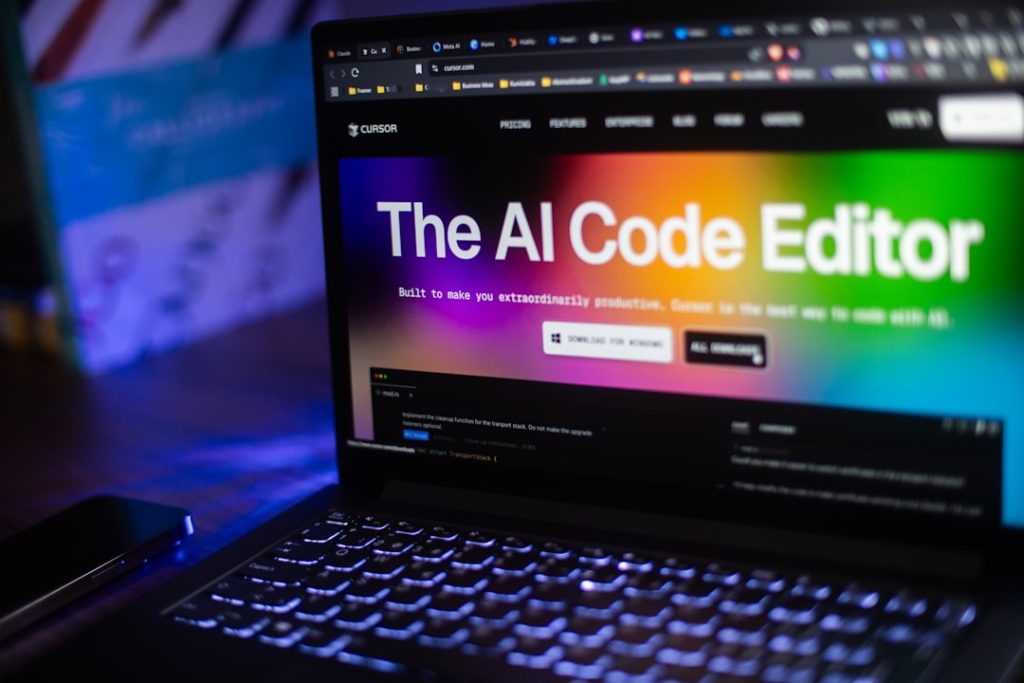
The artificial intelligence landscape has become increasingly competitive as multiple tech giants vie for market dominance in the generative AI space. In response to mounting pressure from rivals, a leading AI company has made a significant move by reducing the cost of its premium subscription service by 50 percent, signaling the intensifying battle for users in this rapidly evolving sector.
Premium Plan Now More Accessible at $100 Monthly
The company’s restructured pricing model introduces a professional-tier subscription at $100 per month, down from the previous $200 monthly fee. This creates a more diverse pricing structure that includes a free tier with advertising support, a basic paid option at $8 monthly, a standard premium plan for $20 per month, and the newly-priced professional tier at $100 monthly. While the original $200 option remains available, it’s no longer prominently featured in the standard offerings.
The premium subscription targets professional developers and coding specialists rather than casual users. The service provides significantly enhanced access to advanced coding assistance tools, offering five times more capacity than the standard premium plan. This positioning directly addresses the needs of software developers who rely heavily on AI-powered programming assistance for their daily work.

Strategic Response to Competitive Pressures
This pricing adjustment appears to be a direct response to competitive offerings in the market, particularly from rival AI companies that have introduced similar professional coding tools at the $100 monthly price point. Industry observers note that the company explicitly positions its coding capabilities as offering superior value compared to competing services, emphasizing greater coding capacity per dollar spent.
The competitive landscape has intensified as multiple technology companies have developed sophisticated AI coding assistants. The decision to match competitor pricing while highlighting enhanced features demonstrates the strategic importance of retaining professional developers within the ecosystem.
Market Dynamics and User Base Competition
Despite facing increased competition, the leading AI company maintains a substantial user advantage with approximately 900 million weekly active users and over 50 million paying subscribers as of recent reports. However, competing services are gaining traction, with some estimates suggesting rival platforms have attracted between 18 to 30 million users, representing significant growth in paid subscriptions.

Interestingly, revenue figures suggest that smaller competitors may be generating higher per-user revenue. While the market leader reports monthly revenue of approximately $2 billion, translating to roughly $24 billion annually, a key competitor recently announced run-rate revenue exceeding $30 billion, up dramatically from $9 billion at the end of the previous year.
The coding community has shown particular interest in alternative AI programming tools, with many developers actively discussing and adopting competing platforms. This shift in developer preferences has likely influenced the strategic pricing decision, as professional programmers represent a high-value user segment willing to pay premium prices for superior tools.
Future Implications for the AI Industry
This price reduction reflects broader trends in the AI industry, where companies are increasingly competing on both features and affordability. The move suggests that even market leaders must remain responsive to competitive pressures and user preferences to maintain their position.
The competitive dynamics are likely to continue evolving as companies balance the need to attract users with the substantial costs of developing and maintaining advanced AI systems. Whether this pricing strategy will prompt further industry-wide adjustments remains to be seen, but it clearly demonstrates that the AI market has matured to the point where pricing competition is becoming as important as technological advancement.
Photo by Aerps.com on Unsplash
Photo by Numan Ali on Unsplash
Photo by Markus Winkler on Unsplash