American Companies Race to Challenge China’s Dominance in Critical Minerals Market
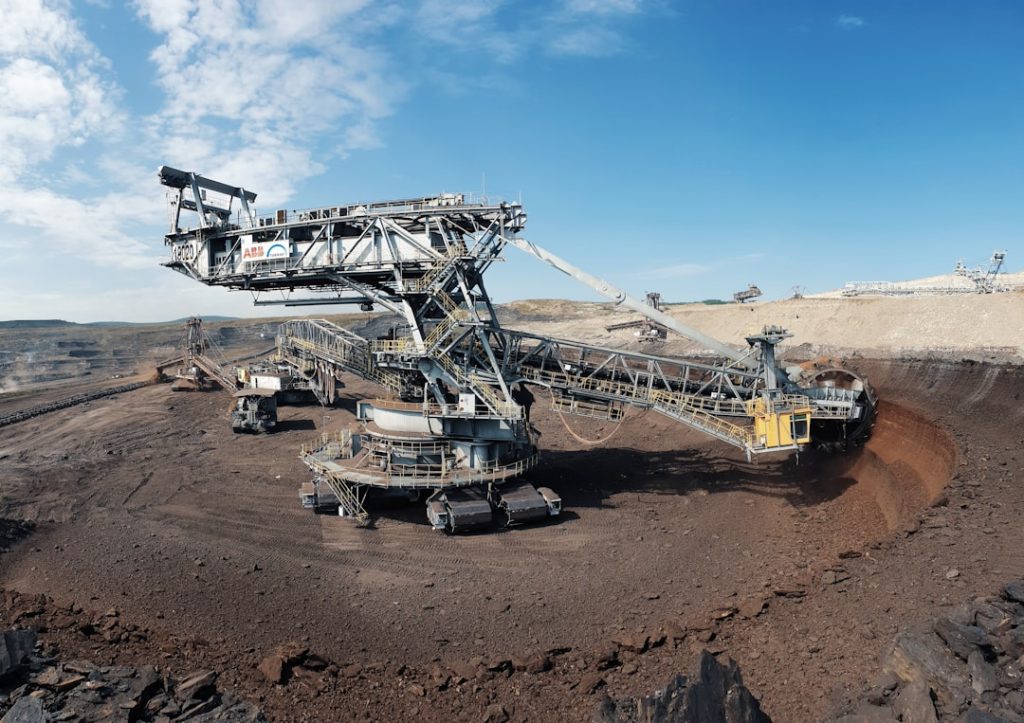
Over the past ten years, China has systematically established near-complete control over the global supply of essential minerals that are fundamental to modern technology, from consumer electronics to military equipment. The United States now finds itself in an urgent position, scrambling to regain competitive footing in this strategically vital sector.
At the forefront of America’s response is Phoenix Tailings, a New Hampshire-based company where Chief Executive Nick Myers is developing innovative approaches to challenge China’s stranglehold on mineral supply chains. The startup represents a growing movement of domestic firms attempting to reduce American dependence on foreign mineral sources.

The current situation stems from years of strategic planning by Chinese authorities, who recognized early the importance of controlling access to rare earth elements and other critical materials. While Western nations focused on other economic sectors, China methodically invested in mining operations, processing facilities, and refining capabilities across the globe.
Industry experts and policy analysts are now examining how the United States fell so dramatically behind in this crucial area. The gap represents not just an economic challenge but a significant national security concern, as these minerals are essential for defense applications and emerging technologies.

The question facing American policymakers and business leaders is whether technological innovation and new extraction methods can enable the country to leapfrog back into competitive position. Companies like Phoenix Tailings are betting that advanced processing techniques and domestic resource development can create viable alternatives to Chinese-controlled supply chains.
This mineral dependency has become a focal point in broader discussions about supply chain resilience and economic security. The challenge extends beyond simply finding alternative sources, as it requires rebuilding entire industrial ecosystems that have been dormant for years.
The stakes are particularly high given the increasing demand for these materials in renewable energy technologies, electric vehicles, and advanced manufacturing. Success in breaking the current monopolistic structure could reshape global trade patterns and restore American competitiveness in critical technology sectors.
Photo by Albert Hyseni on Unsplash
Photo by Sven Eisenschmidt on Unsplash
Photo by Vincent Wachowiak on Unsplash